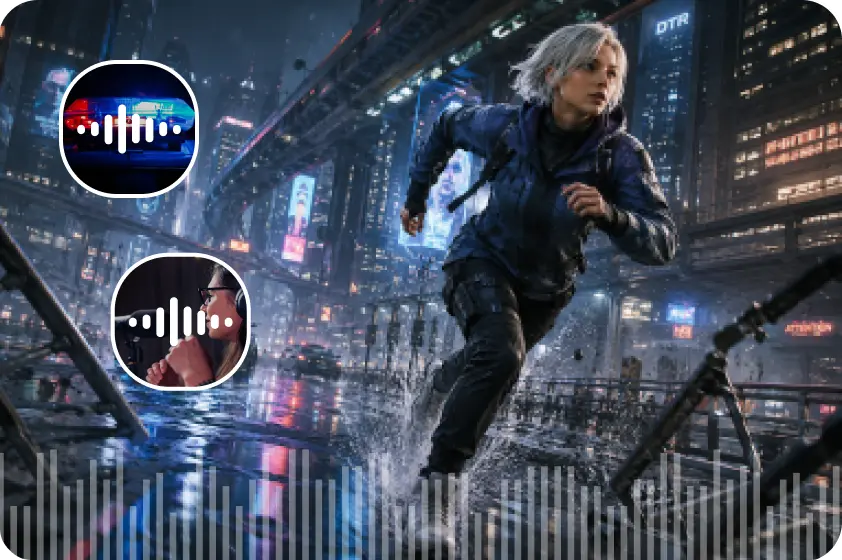
Audio complements and contextualizes visual content. In the absence of visuals, sound serves as both a memory aid and an understanding aid to listeners. Music can and does provide an emotional context to visuals, while speech serves as and stands in for character, personality, and identity. In the past, a creative craft used to build these audio elements involved a coordination of several resources and tools, including sound actors and a lot of time. With the introduction of Seedaudio 2.0 in dreamina, creators finally have a tool that makes use of AI to build engaging audio for their ideas faster than ever before.
How Seedaudio 2.0 Tools Creative Thinkers
Seedaudio 2.0 is an AI audio tool that is designed to make it a breeze for users to generate different sounds based on provided instructions and input references. The tool can be used for dialogues, background music, sound effects, and even dubbing. This saves creators the trouble of having to use various tools for different tasks and instead allows creators to use one tool for multiple tasks.
Using Reference Audio to Help Provide Direction
AI systems rely on text to try to understand what a creator is trying to articulate. Reference audio provides AI systems with more context about the sound a creator is trying to convey. Reference audio can help explain the voice style, rhythm, emotion, accent, speed, or other audio-related characteristics.
Podcasts Made Better
We’ve all grown accustomed to the monotony of podcasts over the years. However, some tools are available to breathe much-needed new life into podcasts. While voices will continue to be the pillar of any podcast, other elements such as audio intros and transitions, background music, and short ‘coming soon’ podcast teasers can make podcasts feel more refined. New, user-friendly AI audio tools help podcast creators experiment with each of these elements, without adding too much complexity to the rest of the podcast creation process.
Better Advertising Content
In order to grip an audience’s attention and be effective, advertising content must be short and powerful. Using high-quality music and sound, as well as interesting, timely sound effects, can help advertising content stand out and be remembered. Businesses and marketers can use these same techniques in new and interesting ways to create digital advertising for product videos, social media campaigns, and promotional content.
Creating Sounds for Games
Games rely on virtual worlds. Sound plays a huge role in bringing the world to life. Great games grab the attention of the players through thoughtful dialogue and character sounds, virtual world noise, background music, and sounds for actions within the game. AI audio can help game developers alter sound and audio cues while developing or testing new games, especially if the development team is smaller.
Using New Dubbing Technology
Modern audio dubbing technology focuses on more than just one-to-one translation. It is about timing and the emotion of the original scenes. New technology can allow the creator of the media to shape the dialogue to what is shown on screen.
Easily Generating Audio For Novices
Professional audio production can be very daunting, especially to novices who have never worked with audio before. There are a lot of steps and technical processes to recording and producing audio. An easy starting technology can help to describe and generate results with little to no audio production experience.
AI Audio as a Tool for the Creative Process
AI Audio technology is clearly a leap forward for creative projects. Now, at the early stages of a project, ensuring that a calm, energetic, dramatic, or even bizarre and experimental voice fits a project is as simple as a voice modification. Prior technologies did not allow this level of rapid prototyping.
Clarity Matters for AI-Generated Voice Audio
In order to achieve better outcomes from using existing technology, the instructions provided have to be as precise as possible. Sometimes instructions will be too general, such as “tell a story”. For example, to be more instructional, the creator can provide the voice, the mood of the story, what the story is about, the timing of the story, the setting of the story, and the purpose for telling it. Those additional details will help guide the audio more.
Interesting to Different User Groups
AI audio is interesting because it can cater to so many user groups. A filmmaker might need dialogue, a podcaster needs transitions, a game developer needs sounds, and a marketer needs promotional videos. One singular general AI technology can fulfill many different creative requests.
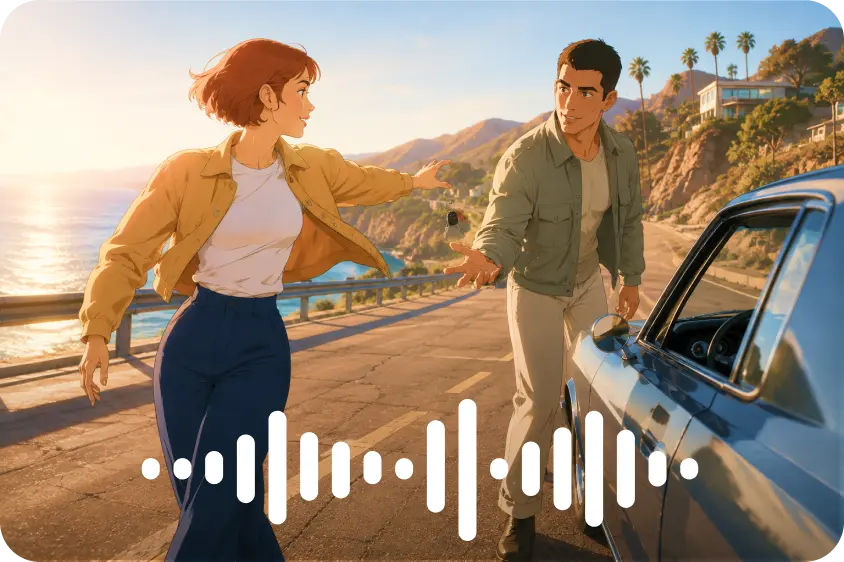
Why You Should Try Seedaudio 2.0
Seedaudio 2.0 combines multiple steps of the audio creation process under one flexible framework. It integrates text, reference sounds, reference videos, and multiple creative directions. It can help many projects. Rather than focusing on one type of audio generation, it gives creators a wide space for utilizing sound.
Conclusion
Audio can transform dull content into something significant and memorable. Content can be expressed emotionally, a scene can be described, a character’s identity can be defined, and trust with the listener can be built. Creating audio for each of these with Seedaudio 2.0 is now possible. Short videos, podcasts, advertisements, game audio, and narratives can now all be supported with great AI-created audio. The final decisions will always rest in your hands.
FAQ
What is Seedaudio 2.0?
Seedaudio 2.0 is an advanced AI model engine that creates different sounds, such as voices, music, background sounds, sound effects, and dubbing.
Can Seedaudio 2.0 create voices?
Yes, it creates voice instructions and sound based on references and instructions.
Can It Work With Video?
Yes. Video is an excellent way to contextualize audio relating to cinematics with the help of dialogue, dubbing, music, atmosphere, and sound effects.
Can It Be Used With Podcasts?
Yes. It can help fulfill audio-related needs of podcasts and other similar mediums, such as dialogue and intros, as well as background and other innovative artistic audio creations.
Does AI Audio Remove the Need for Human Creativity?
No. It can most definitely help a lot with production, but there is no escaping the necessity of selecting the core creative aspects, such as message and story direction, style and tone of the materials to be created, and the needle to be moved in the chosen emotional palette. Human creativity remains vital.